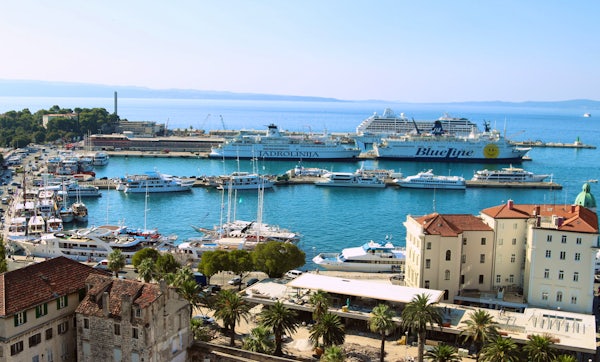
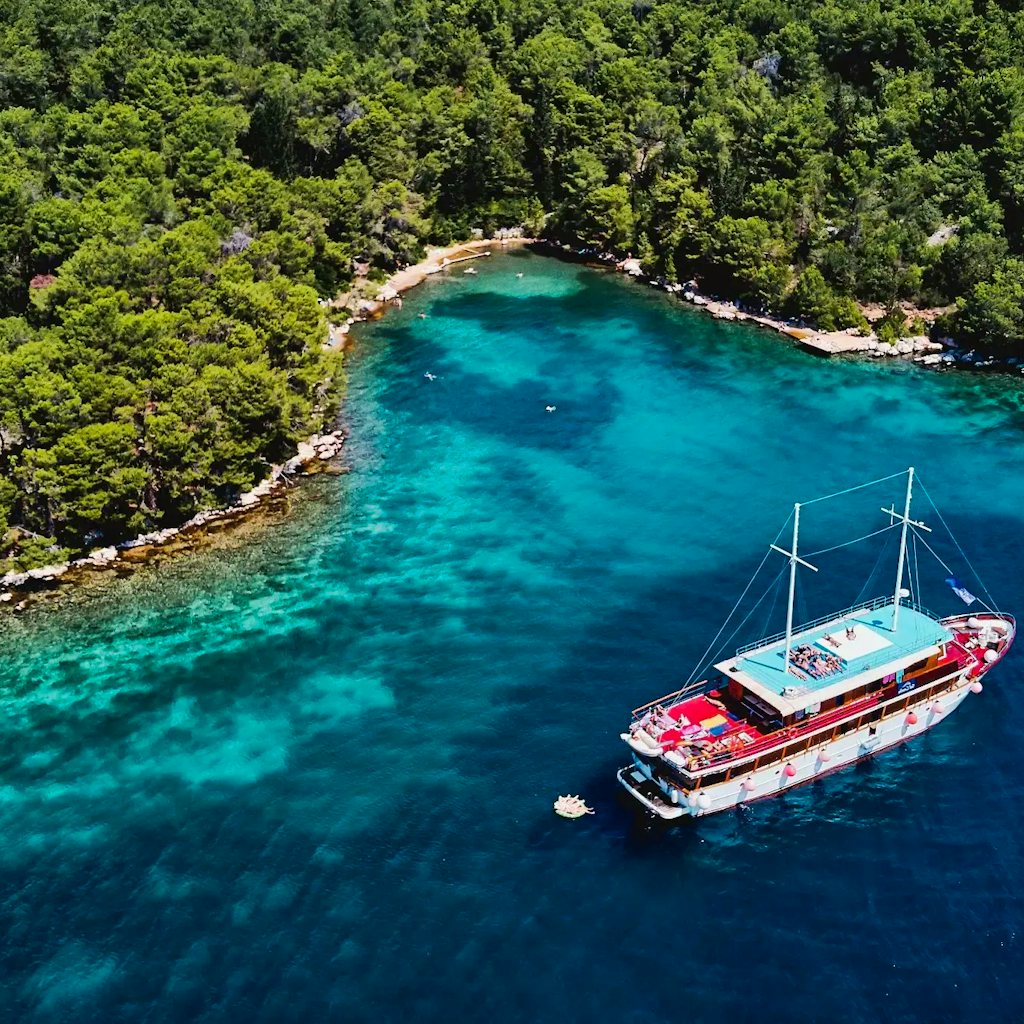
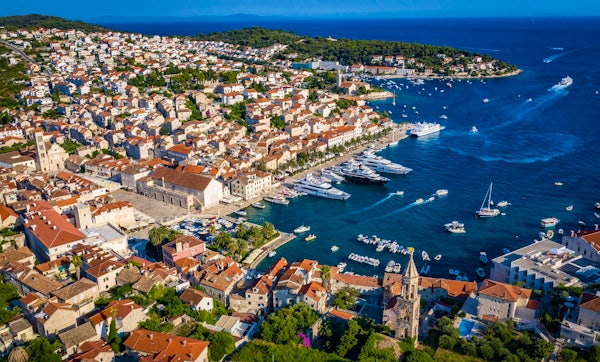
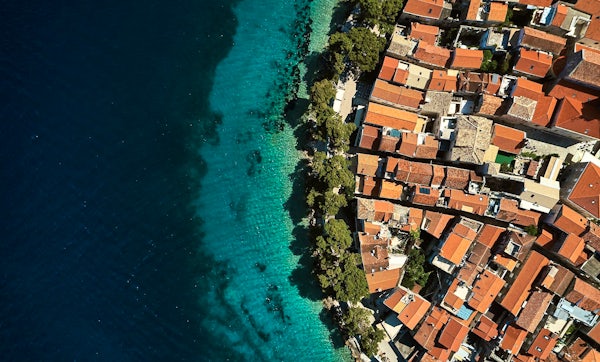
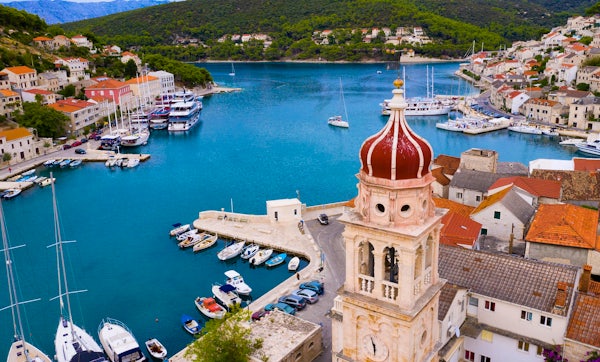
Virtually every single inhabited island in Croatia is served by at least one public ferry. They range from the big Jadrolinija car ferries to smaller island-to-island passenger ferries that are more like glorified fishing boats. We'd say they are by far the most convenient – and fun – way to travel from isle to isle (aside from having your very own yacht, of course).
Remember that lots of ferries run on a strict seasonal basis in Croatia. The peak season with the most services is between June and August. However, there are lots of ferries running as early as March and as late as October, too, but they are more subject to prevailing weather conditions.
Some towns are generally better for reaching different islands by ferry. For example:
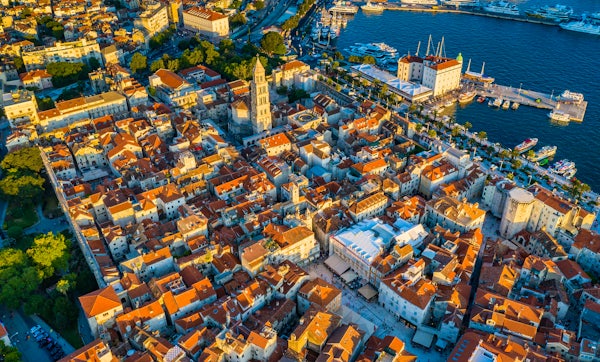
- Split – for services to Hvar, Korcula, Brac, and Vis.
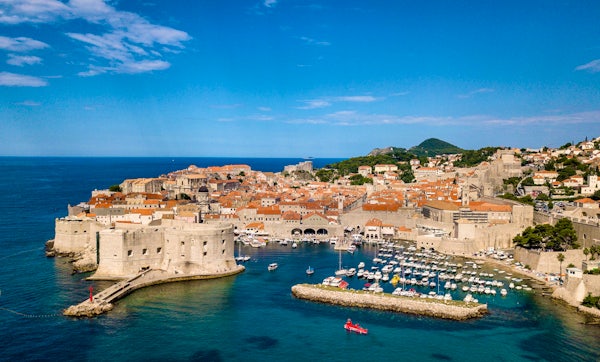
- Dubrovnik – for services to Mljet, Sipan, and Korcula.
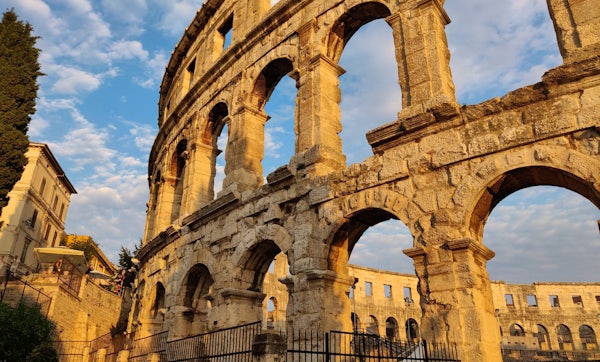
- Zadar – For services into the Kvarner Gulf, and to Susak and Pula.
- Rijeka – Mainly for services into the Kvarner Gulf.
One thing that's worth knowing is that it's very rare for ferries to go from island to island directly. Yep, you might be able to see the pebble coves of your next destination across the strait but getting there will probably involve a trip to a port on the mainland and then a transfer to another boat. That's just the way it is in Croatia.
It is possible to hop seaplanes around the islands in Croatia but it's expensive. What's more, you'll miss the key experience of watching the Aleppo pines and the mountains drifting by as you travel by sea – the journey is very much part of the experience here.
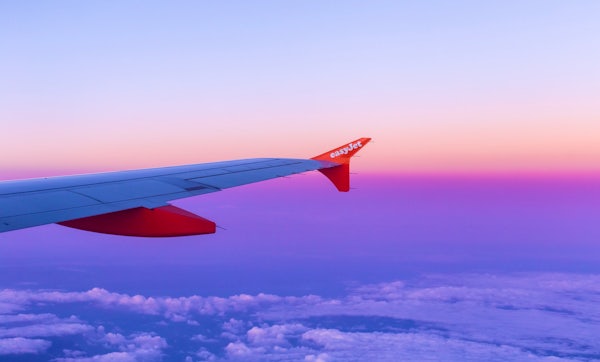
What you can do is fly from town to town on the mainland in order to access different groups of islands during your Croatian odyssey. This works well if you, say, explore the Kvarner isles up north and then go from Pula to Dubrovnik to hit Mljet and the islands of southern Dalmatia.